Bermondsey gardeners for tight access gardens and alleyways
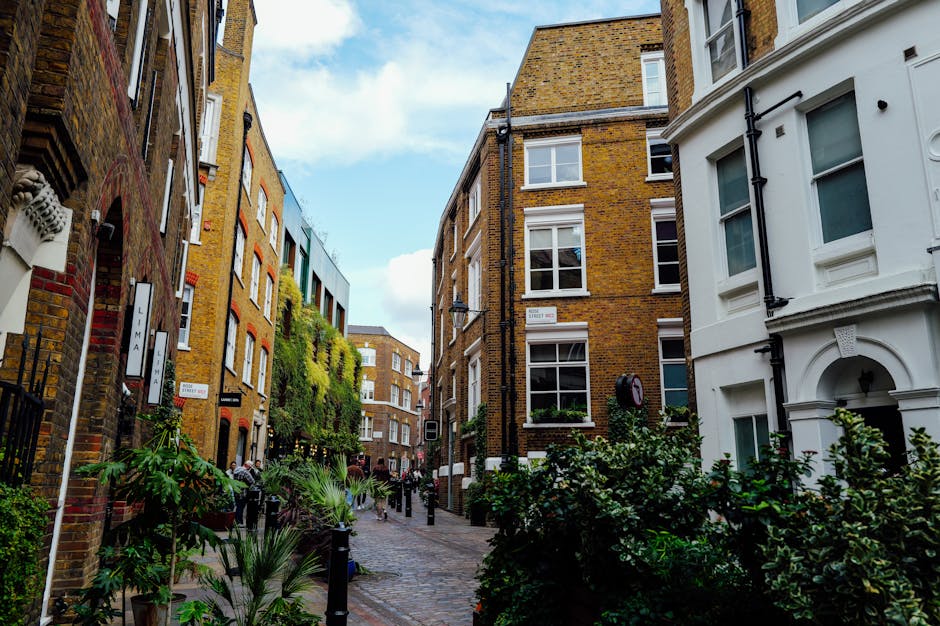
If you live in Bermondsey, you may know the feeling: a garden that looks simple enough from the kitchen window, but turns out to be awkward the moment anyone tries to work in it. A narrow side passage, a shared alley, a basement yard, a steep step, a gate that barely opens, or a wheelbarrow route that seems to shrink every time you measure it. That is exactly where Bermondsey gardeners for tight access gardens and alleyways make a real difference.
These gardens are often perfectly usable, just not forgiving. They need a calmer, more careful approach than a typical front or rear garden with broad access. In this guide, we will look at how tight-access garden work is planned, what to expect from a good local team, the risks people often miss, and the practical steps that make the whole job smoother. If you are comparing services, or simply trying to work out whether your space can be maintained properly at all, this article should help.
For a broader look at the kinds of outdoor work available locally, you may also find the services overview useful.
Why Bermondsey gardeners for tight access gardens and alleyways Matters
Tight access changes almost everything about garden work. In a space with generous entry points, a team can bring in larger tools, move materials faster, and finish neatly with less disruption. In Bermondsey, though, many outdoor spaces sit behind terraced homes, flats, converted buildings, or commercial premises where access is limited to a side passage or shared alleyway. That means every task becomes more deliberate.
The issue is not just convenience. Narrow access affects safety, time, waste removal, tool choice, and the quality of the final finish. A bulky mower may be useless. A heavy clearance job may need to be broken into smaller loads. Even something as ordinary as hedge clipping can become fiddly if cuttings need to be carried out by hand through a narrow route.
To be fair, this is where many people get caught out. They assume a garden is "small, so it will be easy". Often, the opposite is true. Small gardens with poor access can take more planning than a larger open plot. If the team does not understand that from the start, you can end up with delays, damaged paving, scratched paintwork, or a job that looks rushed because nobody left enough room to work properly.
It also matters for neighbours. In alleyway settings, sound carries, storage space is limited, and trip hazards matter more than usual. A tidy, respectful approach keeps things calmer all round. You want gardeners who can work efficiently without turning the place into a mini building site by lunchtime.
If the work involves trimming hedges, you may also want to look at hedge trimming services, since hedges often make access even tighter than it already is.
How Bermondsey gardeners for tight access gardens and alleyways Works
The best way to handle a difficult-access garden is to start with access, not with the plants. A good gardener will usually ask how items reach the site, where tools can be stored, whether there is a step-free route, and how waste will be removed. It sounds basic, but honestly, it saves a lot of trouble later.
Here is what the process usually looks like in practical terms:
- Access is assessed first. The team checks gates, passage widths, turning points, steps, and any locked or shared entry routes.
- The work is broken into manageable tasks. Rather than trying to do everything at once, the job is planned in a sequence that suits the space.
- Tools are selected for the site. In tight gardens, compact, quiet, and manoeuvrable equipment usually works best.
- Waste handling is planned. Green waste may need to be bagged, moved in stages, or cleared via a longer route.
- The garden is protected. Fragile paving, painted walls, bins, side doors, and narrow fence lines should be treated carefully.
- Final detail work is done by hand. Tight corners, edges, and awkward borders often need hand finishing, not just machine work.
A small Bermondsey courtyard might only need a compact mower, a short-handled pruner, and careful hand weeding. A long alleyway garden with mature shrubs could need sectional pruning, light clearance, and a plan for moving cuttings without blocking access for residents. Different space, different rhythm.
And yes, a garden can look straightforward from the listing photo and then surprise everyone in person. That happens more than people think.
For ongoing upkeep, many customers combine access-sensitive work with garden maintenance so the garden does not quietly become harder to manage each month.
Key Benefits and Practical Advantages
Hiring gardeners who are comfortable with alleyways and constrained access gives you more than a tidy garden. It changes the whole experience of owning the space.
- Less disruption: Materials are moved more efficiently, with less clutter left around the property.
- Better results in small spaces: Careful hand-work and compact tools can produce a cleaner finish than overpowered machinery.
- Lower risk of damage: Narrow routes often mean close contact with fences, walls, and paving, so experience matters.
- More realistic planning: A good team knows how to estimate time and labour for awkward access, not just garden size.
- Cleaner waste removal: Garden waste is handled in stages so your alleyway does not become a blockade.
- Safer work practices: Proper manual handling and site awareness reduce the chance of accidents.
There is also a quieter benefit: peace of mind. When you know the job has been thought through, you do not spend the whole afternoon worrying about scratched doors, muddy footprints, or a pile of clippings wedged in the side passage. Small things, yes. But small things are often the whole story in a tight Bermondsey garden.
If your space needs a reset before maintenance begins, a garden clearance service can be a sensible starting point.
Expert summary: In tight-access gardens, the quality of planning matters as much as the gardening itself. The best outcome usually comes from compact tools, staged waste removal, and a steady, hand-finished approach.
Who This Is For and When It Makes Sense
This kind of service suits a lot of Bermondsey properties, especially where the outdoor area was never designed for easy machinery access. If you are unsure whether your garden fits the bill, here are some common examples.
- Homes with a narrow side return or shared passage
- Basement courtyards and sunken gardens
- Small rear gardens behind terraced housing
- Flats with courtyard planting or communal outdoor areas
- Gardens reached only through a building, lobby, or alley
- Overgrown plots where access has become worse over time
It also makes sense if you are planning more than a quick tidy-up. Maybe the hedge has crept over the path. Maybe the lawn is patchy and the mower barely fits through the gate. Or maybe the whole space just feels boxed in and underused. In those cases, access-aware gardening can be the difference between "we should sort this out one day" and actually enjoying the space again.
Some people wait until the garden becomes almost impossible to enter. Then the job is harder, slower, and usually a bit less pleasant for everyone involved. Not impossible, just more awkward. There is a reason seasoned gardeners like a clear route.
Step-by-Step Guidance
If you are preparing for a tight-access garden visit, a simple process helps keep everything smooth. The steps below are the kind that save time in the real world.
- Measure the route. Check gate widths, passage widths, step heights, and any narrow points that might matter for tools or waste bags.
- Describe the site honestly. Mention anything awkward: loose paving, shared access, locked gates, uneven ground, low walls, or fragile planting.
- Share photos if possible. A clear snapshot of the gate, alley, and garden entrance helps a lot.
- Decide what actually needs doing. Cutting back, mowing, clearing, reshaping, replanting, or a full refresh? Keep the brief focused.
- Ask how waste will leave the site. This is a big one. If green waste must be carried manually, the team should plan for that from the start.
- Protect the access route. Move bikes, bins, mats, hoses, and anything else that may block the way.
- Schedule follow-up maintenance. Tight access gardens usually stay manageable when they are maintained regularly, not just when they are already overgrown.
A useful way to think about it is this: the garden job begins before anyone picks up a tool. It starts with a proper understanding of the route, the obstacles, and the end point. Once that is clear, everything else gets easier. Not easy, perhaps. Easier, though.
Expert Tips for Better Results
A few practical habits make a big difference in Bermondsey's tight access gardens and alleyways.
- Choose the right moment for the work. Mid-morning visits can be easier in shared housing settings, especially where bins, deliveries, or school run traffic affect access.
- Use smaller batches for clearance. A little and often approach is usually better than creating one huge pile of waste.
- Keep edges sharp. In small gardens, neat edging makes the space feel larger and more intentional.
- Trim with the route in mind. If shrubs are narrowing the passage, shape them to protect access rather than letting them sprawl back again.
- Don't over-machine a tiny space. Sometimes hand tools simply do a better job. Fancy, but practical.
- Think about what happens next week, not just today. The best work in a narrow garden is the work that still makes sense after the next few rain showers.
One small but important tip: if you know a corner always gets muddy, mention it. A good gardener will spot it anyway, but it helps to hear the story of the garden from the people who live with it every day.
For detailed pruning or overgrown boundary work, hedge trimming and tree lopping and removal can be relevant parts of a wider access-sensitive plan.
Common Mistakes to Avoid
Tight-access gardening tends to go wrong in familiar ways. If you avoid these, you are already ahead of the game.
- Underestimating the access route. A few centimetres can matter more than you think when carrying tools or waste.
- Booking a standard garden service without explaining the layout. A provider needs the full picture, not just "it's a small garden".
- Leaving waste removal until the end. If there is no plan, the clean-up becomes the problem.
- Ignoring shared or neighbour-facing spaces. In alleyways, everyone notices noise, clutter, and blocked passageways.
- Expecting one visit to solve an overgrown garden permanently. Without follow-up maintenance, tight spaces can slide backwards quickly.
- Choosing the wrong tools for the job. Heavy kit in a narrow passage can create more issues than it solves.
Truth be told, the most common mistake is simply not speaking up early enough. People worry they are being fussy. They are not. They are being sensible. A narrow route, a delicate wall, a shared entrance - that is useful information, not a nuisance.
Tools, Resources and Recommendations
You do not need specialist jargon to judge whether a gardener is set up for the job. You just need to know what useful kit and service features look like in practice.
| Need | Better option | Why it helps in tight access spaces |
|---|---|---|
| Lawn care | Compact mower or hand-cut finish | More manoeuvrable in narrow gates and small courtyards |
| Hedge work | Lightweight trimmers and hand pruners | Easier to control near walls, fences, and overhead obstacles |
| Clearance | Bagged, staged waste removal | Reduces blockage in alleyways and shared access routes |
| General upkeep | Regular maintenance visits | Stops the space from becoming too dense or awkward to manage |
| Redesign or refresh | Careful landscaping plan | Lets the garden work with the access constraints instead of fighting them |
If you are comparing broader outdoor services, lawn mowing, landscaping, and landscape gardening can all support a tighter-access garden in different ways.
For customers who care about waste handling and a cleaner outcome, it can also be worth reading about recycling and sustainability. Less waste left lying around is always a good thing, frankly.
Law, Compliance, Standards and Best Practice
For garden work in tight access areas, the key point is not complicated: the job should be carried out safely, with care for the property, the public, and anyone sharing the access route. Exact legal duties can vary depending on the work being done and the setting, so it is wise to treat compliance as a practical part of planning rather than an afterthought.
In everyday terms, a responsible gardening service should think about:
- Safe manual handling: carrying heavy loads carefully through narrow spaces
- Trip and slip prevention: keeping paths clear and avoiding loose debris in access routes
- Tool safety: using equipment that suits the site, not just the task
- Property protection: taking care around walls, doors, glazing, render, and shared surfaces
- Insurance and risk awareness: working in a way that reflects the site's real conditions
It is also sensible to ask about working practices if the access route is shared or if there are vulnerable surfaces such as old paving, timber steps, or decorative edging. Good gardeners usually welcome that conversation because it helps them do the work properly, and avoids headaches later. Nobody wants a neat garden and a scuffed alley.
If you like to know how a provider handles site care and risk, the pages on health and safety policy and insurance and safety are worth a look.
Options, Methods and Comparison Table
Not every tight-access garden needs the same approach. Sometimes a simple tidy-up is enough. Sometimes the space needs clearance, reshaping, or a longer-term maintenance plan. Here is a practical comparison.
| Approach | Best for | Strengths | Limitations |
|---|---|---|---|
| One-off tidy-up | Lightly overgrown gardens | Quick, straightforward, useful for an immediate reset | May not solve recurring access problems |
| Clearance first, maintenance later | Dense or neglected spaces | Removes the main obstacles before regular care begins | Usually takes more planning and labour at the start |
| Regular maintenance visits | Small gardens that get messy quickly | Keeps access manageable and reduces future work | Needs consistency to stay effective |
| Reshaping or landscaping | Gardens that feel cramped or awkward | Can improve the layout and ease of use long term | Takes more time, thought, and budget |
In many Bermondsey properties, the most sensible plan is a combination: clear the space, trim the worst offenders, and then keep it under control with regular upkeep. That tends to work better than heroic one-off interventions. Heroes are great in films; in gardens, consistency usually wins.
Case Study or Real-World Example
Imagine a narrow Bermondsey rear garden reached through a side alley that just allows one person to pass with a bag or tool in each hand. The space has become cluttered with leaf build-up, a tired lawn, and a hedge that has leaned into the route. Not dramatic. Just awkward enough to put people off using it.
The job starts with a route check. The gardener looks at the gate, the angle into the alley, and where waste can be staged without blocking access. The hedge is cut back in sections so the path opens first. The lawn is then cut with a compact mower, followed by hand edging along the borders. Dead material is bagged in smaller loads rather than piled high. A final sweep removes the thin debris that always seems to hide around the base of walls.
The end result is not flashy. But the space feels breathable again. You can walk through without turning sideways. You can open the gate without brushing against overgrowth. And you can actually use the garden, which is the whole point, really.
That kind of result is typical when the access problem is treated as part of the job, not a side note.
Practical Checklist
Use this before booking or starting work in a tight access garden or alleyway.
- Measure the narrowest point on the route
- Check whether gates open fully and easily
- Identify any steps, slopes, or uneven paving
- Take a few clear photos of the access route
- List the main tasks you want done
- Decide whether waste needs to be removed on the day
- Move bins, bikes, furniture, and loose items out of the way
- Ask how the team will protect walls, doors, and shared surfaces
- Find out whether maintenance visits would be useful after the initial job
- Confirm the service provider understands the site before work begins
A simple checklist like this can spare you a lot of back-and-forth later. And honestly, it gives everyone a calmer start to the day.
Get a free quote today and see how much you can save.
Conclusion
Bermondsey gardens with tight access and alleyway entry points need a bit more thought, but they are far from hopeless. With the right planning, the right tools, and the right pace, even awkward spaces can be made neat, usable, and much easier to live with.
The main thing to remember is simple: access is part of the garden. If you get that right, everything else becomes more manageable. Whether you need clearance, trimming, mowing, or a longer-term maintenance plan, a careful approach will usually give you a better finish and a less stressful experience. That is especially true in compact London settings where a narrow route can make or break the whole job.
If your garden has been quietly annoying you for months, that is usually a sign it deserves a proper look. Nothing fancy. Just a good plan, a steady hand, and a fresh start.
Frequently Asked Questions
Can gardeners work in a Bermondsey garden that only has alleyway access?
Yes, in many cases they can. The main question is whether tools, waste, and people can move safely through the alleyway. A site check usually tells the story quickly.
What makes a tight access garden different from a normal garden?
The garden itself may be small, but the route in and out is the real challenge. Narrow gates, shared passages, stairs, and awkward corners all affect how work is done.
Do I need to measure the gate and alley before asking for help?
It helps a lot. Even rough measurements are useful, especially where a compact mower, wheelbarrow, or waste bags need to pass through.
Can a garden with no direct rear access still be maintained properly?
Usually, yes. It may take more planning and hand work, but many gardens with indirect access can still be maintained to a high standard.
Is a clearance job harder than regular maintenance in a tight space?
Often it is. Clearance usually means more waste handling and more movement through the access route, so it needs extra care.
What should I tell the gardener before the visit?
Tell them about gate width, steps, shared access, locked doors, fragile paving, parking restrictions, and any areas that are already difficult to reach.
Will the work be noisy in a narrow alleyway?
It can be more noticeable because sound carries. That is one reason compact and well-chosen tools are useful in Bermondsey's tighter spaces.
How do gardeners remove waste from a garden with poor access?
Usually by bagging it in manageable loads and carrying it out in stages. The exact method depends on the route and the amount of waste.
Can tight-access gardens be improved, not just maintained?
Yes. In some cases, small landscaping changes, better layout choices, and more practical planting can make the space feel much easier to use.
How often should a small Bermondsey garden be maintained?
That depends on growth, use, and the type of planting, but regular visits are often more effective than waiting for the space to become overgrown again.
What if my alleyway is shared with neighbours?
Then communication matters. Keeping the route clear, working tidily, and avoiding unnecessary blockage makes the job smoother for everyone.
Where can I learn more about the company and its approach?
You can read more on the about us page, or get in touch through contact us if you are ready to talk through your garden.