Compare gardeners Bermondsey quotes insider tips for SE16
If you are trying to compare gardeners Bermondsey quotes insider tips for SE16, you are probably at that slightly awkward stage where the garden needs help, but the quotes all look a bit different and, frankly, a bit hard to compare. One gardener prices by the hour, another gives a fixed fee, and a third sounds lovely but never really says what is included. Sound familiar?
The good news is that comparing local gardening quotes does not have to feel like guesswork. In Bermondsey and the wider SE16 area, gardens can be compact, awkwardly accessed, shared, paved, or simply in need of regular maintenance after a busy season. This guide breaks down what matters, what to ask, where people often go wrong, and how to judge value rather than just the lowest number. Let's make it simpler.
Why Compare gardeners Bermondsey quotes insider tips for SE16 Matters
Garden work is one of those services where the visible result can be lovely, but the path to getting there is not always obvious. A quote may look competitive until you notice it does not include waste removal, hedge shaping, or a proper tidy-up. Or maybe the price is higher, but it includes recurring visits, insured work, and a cleaner finish. That difference matters.
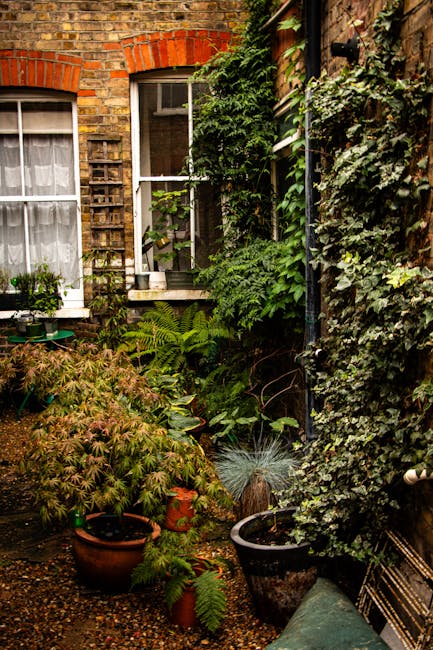
In SE16, the garden itself often shapes the quote. Tight side access, shared walkways, small courtyards, rear entrances, limited storage for tools, and neighbours close by can all affect how long the work takes. Bermondsey properties can be wonderfully varied, but that variety means one-size-fits-all pricing rarely tells the full story. To be fair, it would be nice if it did. It rarely does.
Comparing quotes properly helps you spot whether a gardener is charging for real labour, disposal, specialist equipment, or simply padding the figure. It also helps you decide whether you need a one-off tidy, scheduled maintenance, lawn care, hedge trimming, or a broader garden refresh. When you know what you are looking at, you stop comparing apples with pears and start comparing like with like.
Expert summary: The best quote is not always the cheapest. In Bermondsey, the best value usually comes from a clear scope, realistic timings, and a gardener who understands local access, planting, and maintenance needs.
How Compare gardeners Bermondsey quotes insider tips for SE16 Works
The quote process should be straightforward, but the quality of information you give makes a huge difference. A good gardener will ask about garden size, access, condition, what needs doing, how often you want it maintained, and whether waste needs removing. The more specific your brief, the more accurate the quote.
There are usually three common pricing approaches:
- Hourly rate: useful for jobs where the scope is still a bit fuzzy, such as clearance after a long period of neglect.
- Fixed quote: helpful when the task is clear, like hedge trimming, lawn mowing, or a defined tidy-up.
- Regular maintenance agreement: often used for ongoing visits, where the gardener prices based on repeat work rather than a single visit.
In practice, many Bermondsey customers compare at least three quotes, then look at what each one includes. Does it cover weeding, pruning, disposal, edging, and clean-down? Are specialist tasks like hedge trimming or lawn mowing itemised separately? Is there a call-out charge? If not, why not? These are the little details that stop an apparently cheap quote turning into an expensive surprise later on.
It also helps to understand the garden type. A small courtyard in SE16 may take less time than a larger rear plot, but awkward access, heavy pots, overgrown borders, or narrow alleyways can add time quickly. If you need broader work, a gardener may recommend garden maintenance rather than piecemeal visits, especially if the space needs regular attention to stay manageable.
Key Benefits and Practical Advantages
Comparing quotes is not just about saving money, though that is obviously part of it. It is also about reducing risk, improving the result, and getting a service that actually matches your garden. A tidy front strip in Bermondsey is not the same as a long-neglected back garden with mixed planting, a tired lawn, and a few stubborn shrubs doing their own thing.
Here are the main advantages of comparing properly:
- Better value: you can see what you are paying for and avoid overpaying for vague work.
- Clearer scope: you will know whether the job includes tidying, pruning, waste removal, or just labour.
- More reliable outcomes: gardeners who quote clearly are often better organised on the day.
- Fewer disputes: a detailed quote reduces the chance of misunderstandings later.
- Smarter scheduling: you can choose a one-off service or a regular plan, depending on the season and how quickly the garden grows.
There is also a less obvious benefit: better communication. When a gardener knows you are comparing based on detail rather than just price, they are more likely to explain their approach, which is always reassuring. A decent local professional should be comfortable discussing plant care, access, waste handling, and what can realistically be done in one visit. If they are not, that tells you something too.
And yes, a quote can be "cheap" and still cost you more in the end if the work is rushed or incomplete. We have all seen that happen with home services. It is one of those annoying truths nobody loves, but there it is.
Who This Is For and When It Makes Sense
This approach makes sense for a wide range of SE16 homeowners and renters. You may need it if your garden has become a bit too much to handle alone, if you have moved into a property that needs a reset, or if you are simply tired of spending weekends wrestling with weeds while the weather keeps changing. Bermondsey gardens can look beautiful, but they can also be surprisingly high maintenance once spring gets going.
It is especially useful for:
- busy homeowners who want regular upkeep without micromanaging every task;
- landlords preparing a property between tenancies;
- tenants trying to restore a shared or private garden before inspection;
- people with tight-access gardens, courtyards, or alleyway entrances;
- anyone unsure whether they need clearance, maintenance, or a more design-led service such as landscape gardening;
- customers who want to compare a one-off tidy with a longer-term plan.
If you are deciding between a quick fix and something more structured, that is where local knowledge becomes useful. A garden that looks manageable in autumn can become a different beast by late spring. You know how it is: one week it is neat, the next week everything has gone slightly wild after a warm spell and a bit of rain.
It also makes sense when you are planning improvements rather than just maintenance. For example, if you want to update an outdoor area and maybe improve the finish with decking, hard landscaping, or planting structure, it is worth asking whether the gardener offers broader services such as decking services or landscaping. Even if you do not use those now, knowing the option exists can shape the quote conversation.
Step-by-Step Guidance
1. Define the job clearly
Before asking for quotes, write down what actually needs doing. For example: lawn cut, hedge trim, border weeding, pruning, leaf clearance, and waste removal. If the garden is heavily overgrown, say so. If you need the front and back both done, say that as well. Vague briefs lead to vague quotes. Simple as that.
2. Share useful photos
Good photos save time and improve accuracy. Take a few during daylight, ideally from different angles. Include access points, problem areas, and anything that may affect the job, such as narrow paths, broken fencing, heavy pots, steep steps, or dense growth. A photo of a crowded courtyard tells a gardener more than a hundred "it's not too bad really" messages. We have all underplayed a job a bit. Happens.
3. Ask what is included
Do not assume waste removal, edging, pruning, or cleanup is part of the price. Ask directly. A quote should say whether it includes labour only or labour plus green waste disposal. If a gardener uses specialist equipment for hedge work or clearance, that may affect the figure. Honest detail is a good sign, not a hassle.
4. Compare scope, not just price
Two quotes can look similar until you notice one includes a full garden tidy and the other only covers cutting the lawn. Compare:
- what work is covered;
- how long the team expects to be on site;
- whether materials or waste disposal are included;
- if follow-up visits are recommended;
- whether there is a minimum charge.
5. Check the practical details
Look at availability, access requirements, payment method, and whether the gardener is insured. If the work involves tree sections, larger branches, or awkward removal, that becomes even more important. For heavier outdoor work, you may want to ask how they handle safety and disposal, particularly if the job includes tree lopping and removal or substantial clearance.
6. Choose based on confidence, not pressure
A quote should help you decide, not hurry you. The right gardener will usually explain why certain tasks take longer or cost more, especially in a dense London area where access and waste handling matter. If someone is rushing you into a yes, pause. Better to ask another question than regret it later.
Expert Tips for Better Results
If you want a better quote and a better finish, a few small habits help more than you might think.
- Ask for itemised quotes. It is much easier to compare line by line than to compare a single lump sum.
- Mention seasonal priorities. Spring growth, summer mowing, autumn leaf fall, and winter pruning all change the work involved.
- Be honest about garden condition. Overgrown beds, mossy paths, or hidden rubbish affect the labour needed.
- Clarify repeat visits. If you want monthly or fortnightly maintenance, ask how the price changes across a schedule.
- Check whether the gardener understands your garden type. Small urban spaces need different handling from larger suburban plots.
One practical tip people often miss: ask the gardener what they would do first if the job were theirs. That question reveals a lot. A good answer will sound measured and practical, not vague or salesy. For example, they may say they would clear waste first, then tackle borders, then deal with mowing or hedging so the space feels open straight away. That sort of thinking usually produces a better result.
If your space is compact, you may also want to ask about planting choices and privacy solutions. In Bermondsey, many gardens benefit from a layout that creates more calm without making the space feel cramped. A well-placed screen or taller planting can work wonders, and resources like this guide to tall potted privacy plants can be useful if you are thinking beyond basic maintenance.
Here is a slightly old-school truth: the best gardeners usually ask more questions than the average homeowner expects. That is a good sign, not a bad one.
Common Mistakes to Avoid
People often make the same few mistakes when comparing quotes. They are easy to make, so no judgement here. But if you avoid them, you will usually get a better outcome.
- Comparing only the total price. A low figure can hide missing tasks or a rushed visit.
- Not defining the scope. If you do not say what needs doing, each gardener will guess differently.
- Forgetting about waste. Green waste removal can be a meaningful part of the cost.
- Ignoring access issues. Narrow entrances, back alleyways, or multiple steps can add time and effort.
- Assuming all maintenance is the same. A clearance job is not the same as a routine upkeep visit.
- Choosing without checking insurance or safety practices. Especially important for larger jobs and anything involving ladders, cutting equipment, or heavy debris.
Another common slip is not asking how the gardener prices extra work discovered on the day. It happens. They start cutting back a hedge and find buried debris, old canes, or more growth than expected. A fair professional should explain any additional cost before carrying on. That conversation should happen early, not after the job is done and everyone is sighing a bit.
And honestly, if someone gives you a quote that feels too neat and too fast, trust your instincts. Good gardening work tends to come with a few questions and a bit of detail.
Tools, Resources and Recommendations
You do not need a lot of special kit to compare quotes well, but a few simple tools make the process smoother.
- Phone camera: take clear photos of the whole garden and problem areas.
- Notes app: keep a simple list of tasks, access issues, and questions for each gardener.
- Measuring estimate: rough dimensions can help, even if you do not know the exact square footage.
- Seasonal reminder: mark when the garden usually needs the most work so you can plan quotes in advance.
If you want to understand what different services usually cover, it helps to review a provider's service pages first. A broad overview such as services overview can help you work out whether you need routine upkeep, clearance, pruning, or something more structural. For jobs involving debris or neglected spaces, garden clearance is often a better starting point than trying to piece together separate tasks.
For customers who prefer a more regular rhythm, it is also worth understanding how consistent visits can support the garden over time. A simple maintenance plan often beats one big annual tidy-up, especially in London where growth can move quickly after rain. A bit of care every few weeks usually keeps costs more predictable too. Not glamorous, maybe, but effective.
And if you are weighing up value versus service style, a transparent pricing page is worth a look. You can use it to get a sense of how estimates are structured before you request your own. That makes the comparison more grounded and less like random guesswork.
Law, Compliance, Standards, or Best Practice
For garden work in Bermondsey, the key compliance points are usually practical rather than complicated. You are mainly looking for safe working practices, proper waste handling, respect for property access, and clear communication. If a job involves ladders, cutting equipment, tree work, or lifting heavy waste, it is sensible to ask how the work will be managed safely.
Professional gardeners should also be clear about:
- whether they carry appropriate insurance;
- how they handle waste and disposal;
- what safety steps they take when using tools or working near boundaries;
- whether they need access to water, electricity, or storage space on site;
- how they protect neighbouring areas, paths, and shared access routes.
Good best practice also includes being realistic about the job. If a gardener sees hidden risks, they should say so. For example, overgrown shrubs may hide broken glass, a tired lawn may need more than a cut, and tree work can demand extra caution. If a company publishes its own health and safety policy or insurance and safety information, that is usually a reassuring sign, because it shows they think beyond the immediate job.
Waste handling matters too. Garden cuttings, soil, timber, and general green waste should not be treated casually. Responsible disposal and recycling are part of professional practice, and in urban areas that matters more than people sometimes realise. If sustainability is important to you, look for signs that the team thinks carefully about recycling and disposal rather than just tipping everything into the nearest bag and hoping for the best.
Options, Methods, or Comparison Table
There are a few different ways to approach gardener quotes in SE16. The right choice depends on how urgent the job is, how clear the scope is, and whether you want a one-off fix or ongoing support.
| Quote approach | Best for | Pros | Watch-outs |
|---|---|---|---|
| Hourly rate | Overgrown or unclear jobs | Flexible, useful when scope may change | Final cost can rise if the task takes longer than expected |
| Fixed quote | Clear tasks like mowing or hedge trimming | Easier to compare, easier to budget | May exclude extras unless they are written in |
| Maintenance plan | Regular upkeep and seasonal care | More consistent results, less stress | Needs trust and a clear schedule |
| One-off clearance | Neglected or newly acquired gardens | Fast visual improvement | Not always the cheapest option if the space needs deep work |
If you are unsure where your garden fits, start with the simplest question: "What would you recommend as the first job?" A practical gardener will usually tell you whether the space needs a clean start, ongoing maintenance, or a mix of both. In Bermondsey, where gardens can be compact but surprisingly layered, that sort of answer is often more useful than a polished sales pitch.
Case Study or Real-World Example
A Bermondsey homeowner with a small rear garden in SE16 wanted the space cleaned up before summer. The garden had a tired lawn, a few overgrown shrubs, scattered leaves, and limited side access through a narrow passage. They asked three local gardeners for quotes.
The first quote was low, but it only covered a basic cut and tidy. Waste removal was extra. The second quote was higher, but it included pruning, border weeding, lawn care, waste disposal, and a second visit two weeks later to keep the space under control. The third quote sat in the middle, but the wording was vague and left a lot to be clarified.
After comparing the details, the homeowner chose the second option. Why? Not because it was the cheapest. Because it explained the work clearly, gave a realistic timeframe, and made sense for a space that had been left for a while. The result was calmer and more even, and the garden stayed in better shape through the season. That is the sort of outcome people usually want, even if they do not say it out loud.
In another SE16 case, a landlord needed a quick turnaround between tenancies. A clearance-focused job made more sense than regular upkeep. The key was matching the service to the actual need, not the most attractive headline price. That sounds obvious, but in the rush of moving, people forget it. Fast.
Practical Checklist
Use this checklist before you accept any gardener quote in Bermondsey:
- Have I clearly described the garden and the work needed?
- Have I shared photos or access details?
- Do I know whether the quote includes waste removal?
- Have I checked whether the quote is hourly or fixed?
- Do I understand what is excluded?
- Have I compared at least two or three quotes?
- Have I asked about insurance and safety practices?
- Do I know whether follow-up visits are recommended?
- Have I checked whether the gardener understands my type of garden?
- Does the quote feel clear, fair, and easy to explain back to someone else?
If the answer to several of those is "not yet", that is fine. Better to ask now than to rely on assumptions. A few extra minutes at the start can save a lot of awkwardness later.
Get a free quote today and see how much you can save.
Conclusion
To compare gardeners Bermondsey quotes well, you need more than a price list. You need clarity on scope, access, waste, timing, and the actual condition of the garden. Once you look at those things properly, the best option usually stands out quite naturally. The right gardener should make the job feel manageable, not mysterious.
In SE16, where gardens can be compact, quirky, and sometimes a little stubborn, that local understanding matters. A fair quote is one that reflects the real work, not just a rough guess. And when you find a gardener who explains things plainly, works safely, and respects the space, that is worth a great deal.
Take your time, ask the awkward questions, and trust the detail. Good garden work has a way of making the whole home feel lighter. Quietly better. That is usually the point, after all.
Frequently Asked Questions
How do I compare gardeners Bermondsey quotes fairly?
Compare the scope of work, not just the total price. Check whether each quote includes labour, pruning, mowing, edging, waste removal, and any return visit. A fair comparison only works when the jobs are actually the same.
What should be included in a gardener quote?
A clear quote should explain the tasks covered, the expected time on site, whether waste disposal is included, any materials needed, and any exclusions. If something is not written down, ask about it before you agree.
Is a fixed quote better than hourly pricing?
Not always. Fixed quotes are easier to compare for defined jobs, but hourly pricing can be better for unclear or heavily overgrown gardens. The better option depends on how well the job can be scoped in advance.
Why do Bermondsey garden quotes vary so much?
Differences often come down to access, garden size, overgrowth, waste removal, and the level of detail included. A small SE16 garden can still be awkward if access is tight or the work is more complex than it first appears.
Should I choose the cheapest gardener?
Only if the cheaper quote genuinely covers the same work and gives you confidence. The lowest price can be a false saving if it leaves out cleanup, disposal, or important tasks that matter to the final result.
How many quotes should I get?
Three is a sensible number for most homeowners. It gives you enough comparison without becoming a chore. If the quotes are wildly different, that is usually a sign to ask more questions.
Do I need to be home when the gardener visits?
Sometimes yes, sometimes no. For a first visit or a larger job, being there helps with access and questions. For regular maintenance, many people arrange a set routine so the visit can happen more smoothly.
What if my garden is overgrown?
Say so plainly. Overgrown gardens usually need clearer scoping, sometimes a clearance-first approach, and often more time than a standard tidy. A good gardener will judge the work more accurately if they know the real condition up front.
Can gardeners in SE16 help with small courtyard gardens?
Yes, and small spaces often need a more careful approach than larger gardens. If your courtyard has limited access, uneven surfaces, or lots of pots, mention that when requesting quotes so the gardener can plan properly.
Should waste removal always be included?
Not always, but it should be made clear either way. Some gardeners include it in the price; others treat it as an extra. The important thing is transparency, so you are not surprised after the work is done.
How often should I book garden maintenance?
That depends on the garden and the season. Some spaces need fortnightly visits in peak growth months, while others are fine with monthly or less frequent care. A gardener can usually suggest a sensible rhythm once they have seen the space.
What is the best way to get an accurate quote quickly?
Send clear photos, describe the work in plain English, mention access issues, and ask exactly what is included. The more specific you are, the more accurate the quote will be. It saves time for everyone, really.
Are insured gardeners worth paying a bit more for?
Usually yes, especially for work involving tools, ladders, trees, or waste handling. Insurance and safe working practices give you extra peace of mind, and that reassurance matters when someone is working on your property.